Yes, AI Can Build It. You Need Someone Who Knows What 'It' Looks Like.
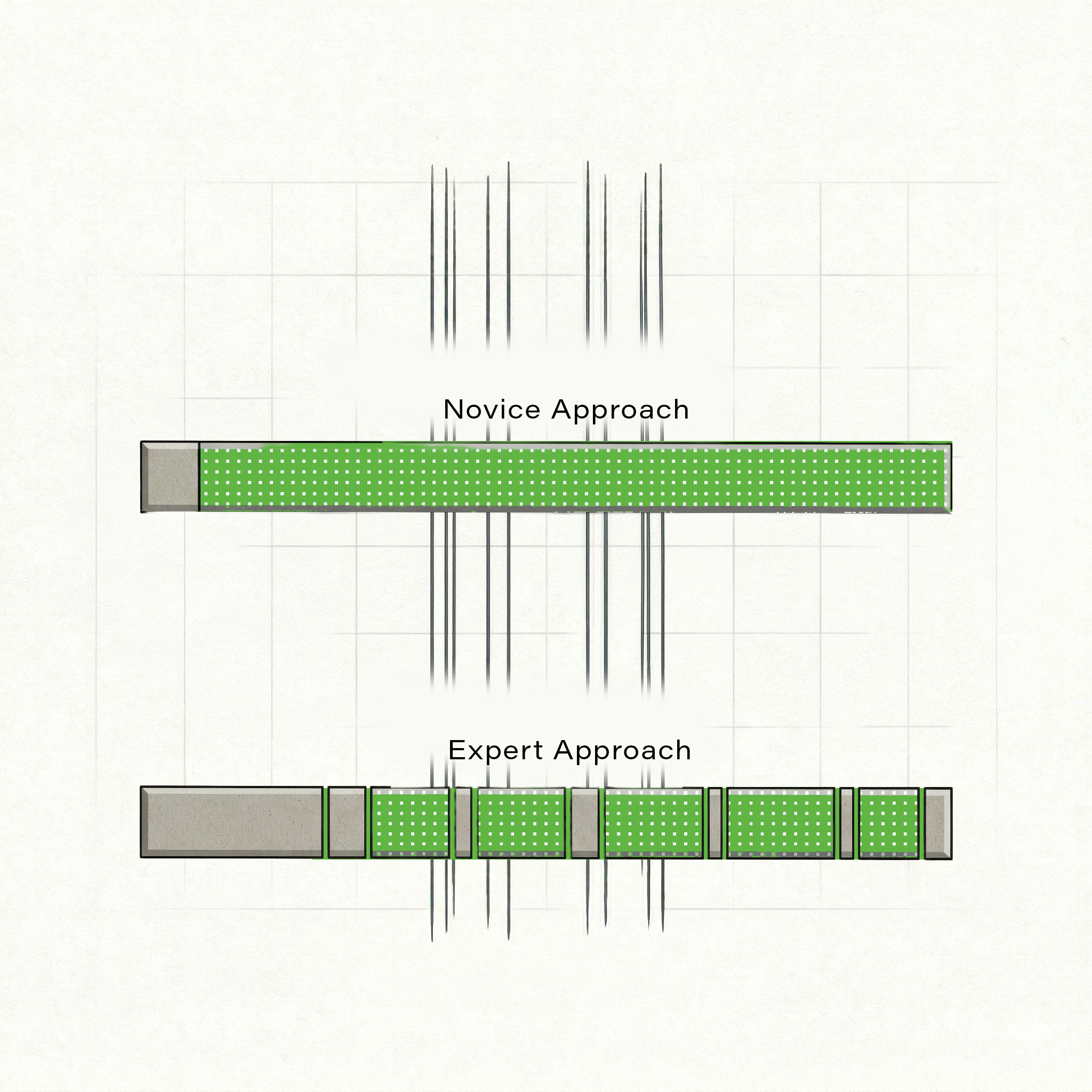
AI can build a website, an app, or a workflow. Too often the approach is a super basic prompt, hit generate, and hope for the best. No research, no real sense of tech stack or constraints, no clear definition of output. In short, AI is often prompted with no real plan. The result is a bit of a coin flip. Will it be good? Can you get it where you want it go? More often than not, it's generic structure, brittle edges, and lots of reworking. Same idea as the fatigue people have with long-form AI writing: you end up re-humanizing everything at best. At worst, countless edits and you're still not anywhere near executing the idea that led to the initial prompt. The fix isn't to avoid AI. It's to put someone at the wheel who knows what good looks like: well-formed prompts backed by research, tech stack knowledge, and a clear bar for done. Use AI for the things it does well; use the human for the human things—strategy, ideation, verification, testing. We think of it as a lead delegating to a strong executor, not a conversation with a peer. The hero image above (by Liz Fosslien) illustrates that split: almost no human in the loop versus human and tool trading the baton. You want the second—that's the one that actually ships.
What Orchestration Looks Like When You're Building
we've seen it both ways: the "prompt and pray" build that lands in our inbox for rescue, and the one where we defined the problem and the stack up front and used AI for the grunt work. For websites, apps, or business workflows the pattern that works is the same. Someone (you or someone you hire) defines the problem, scope, stack, guard rails, and what "done" means. AI drafts copy or code, suggests structure, generates code, or wires up steps. Then a human directs the initial plan, the tech stack if appropriate, reviews the AI output, corrects, and verifies. That loop—direct, generate, check, decide—is what keeps the bar high and the output usable.
The parts that have to stay human are planning, directing, checking, and verifying. AI is great at speed and volume. It's not great at knowing your business, your strategy, your needs, your users, or when "good enough" is actually good. So the best AI-built projects have a strategist or a lead who owns the plan, the bar, the output, and uses the tool for execution.
Who Should Be at the Wheel
The right person to run this is someone who already knows how to solve the kind of problem you are trying to slove and knows how to plan a project. Strategists, consultants, and experienced operators don't just prompt—they own the plan and the quality bar. They know when to push back on the model, when to rewrite, and when to ship.
If you don't have that in-house, bringing in someone who can orchestrate is the move. You're not "outsourcing" in a vague, hands-off way. You're hiring someone to direct the work, use AI where it helps, and make sure the result is something you'd actually use.
Same Idea for Writing (and Everything Else)
The same principle shows up in writing. We write the first draft myself; it's hard to unsludge AI's structure and voice once you're deep in it. Then we use AI for surgical improvements—tighter sentences, examples, alternatives. Read what you wrote out loud. If you wouldn't say it to another person, cut it or fix it. Short and clear beats long and padded.
Using AI doesn't mean stopping thinking. The question is which parts of your process you protect—or who you hire to protect them. For a build, that's the person at the wheel.
Bottom Line
Use AI for the production work. Put someone at the helm to execute thinking that matters: strategy, direction, and verification. When you do that, you get something good instead of something that just looks done.